


Children need mentors.


Over the years, parents have compared me to a Jedi or Mr Miyagi from Karate Kid.
At first, it confused me.
I mean… sure, I love Star Wars and Karate Kid. They’re great stories. But to me they were always just entertainment.
Then I realised what people were actually trying to say.
They weren’t talking about lightsabers or martial arts.
They were recognising the role that those characters represent:the mentor.
The experienced guide.The calm voice.The person helping the younger generation navigate challenges they do not yet fully understand.
Parents would say:
“It’s that wax on, wax off kind of stuff, right?”
And I’d laugh awkwardly and say:
“Er… yeah, I guess so.”
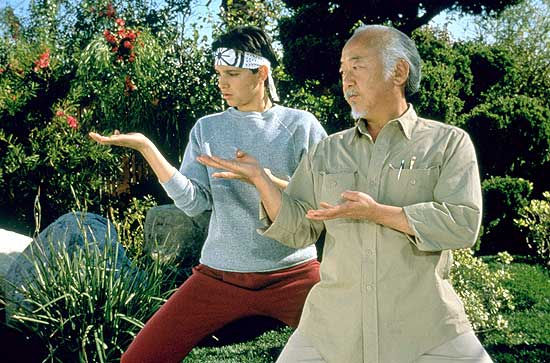
Then the next week a child would come back and tell me:
“My mum thinks you're a Jedi.”

And honestly, beneath the humour, there is something important there.
Children genuinely need mentors.
Not people to control them.Not people to force an identity onto them.But people who can help guide them through the chaos of growing up.
Because the reality is that many young people are being left to figure everything out alone.
They grow up in a world moving faster than ever:constant noise, endless trends, social media algorithms competing for their attention, pressures around identity, status, appearance, success.
So many things demanding their focus…yet offering very little real guidance.
And sometimes young people reach the end of school, college, or even university without truly knowing who they are, what they value, or what direction they want to move in.
What they often need is someone who has already walked part of the path ahead of them.
Someone who made mistakes.Learned lessons the hard way.Fell down and got back up again.
But more importantly, someone who learned how to communicate those lessons to the next generation in a way they can actually understand.
I think popular stories resonate so deeply because they reflect something timeless about human development:the mentor-mentee relationship.

The older, more experienced person helping the younger person not only overcome external obstacles — but also learn how to regulate their own thoughts, emotions, fears, frustrations, and self-belief.
That guidance matters.
Sometimes a young person does not need another lecture.
Sometimes they just need someone consistent.Someone patient.Someone who believes in them before they believe in themselves.
That can change a life.

Comments